


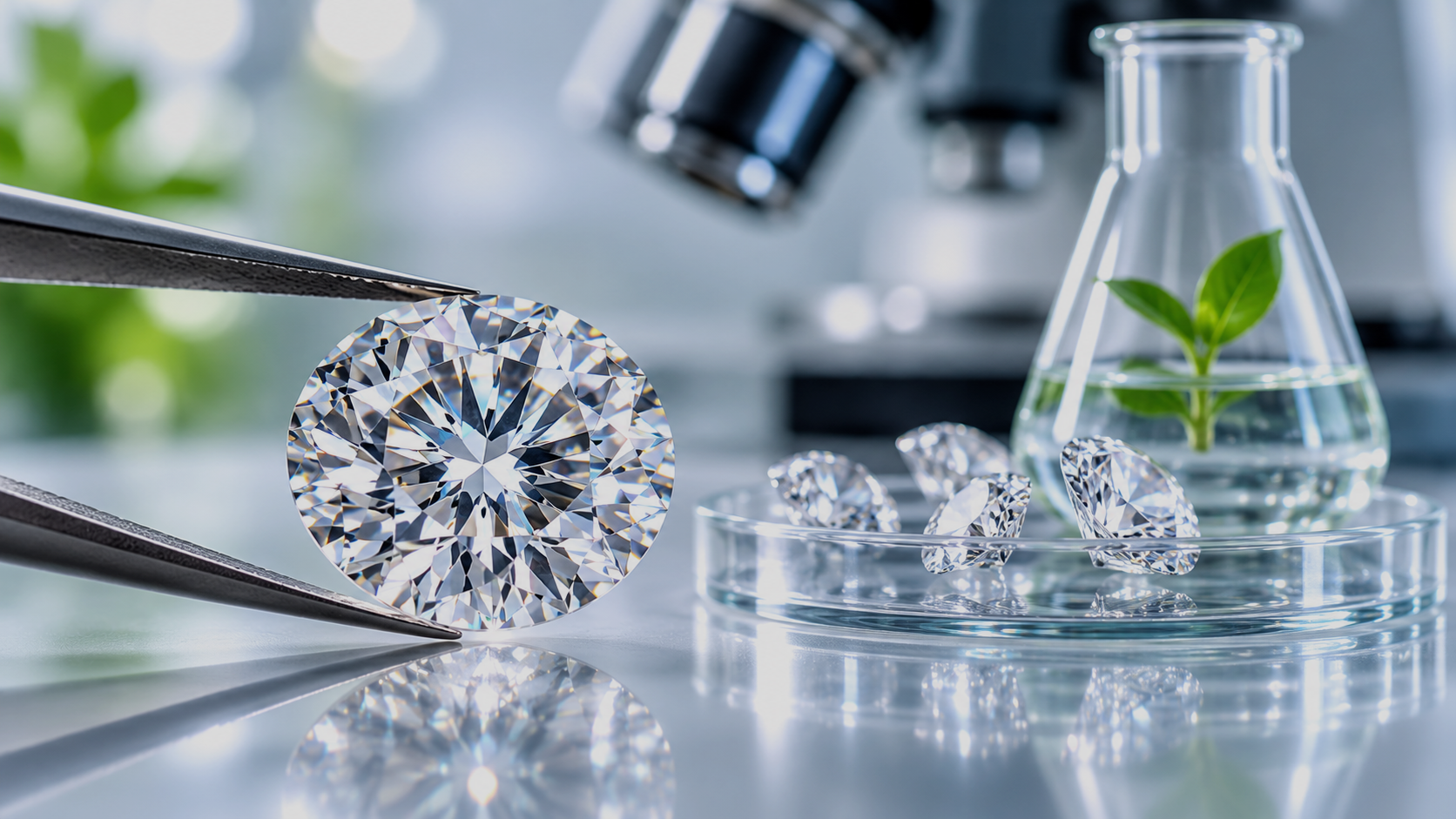

An engagement ring is rarely just another jewellery purchase. It represents a promise, a shared future, and a moment that two people will remember for years. Traditionally, natural diamonds have dominated engagement ring designs. However, changing preferences and advances in diamond technology have introduced another option that deserves attention: lab grown diamonds.
Today, more couples are exploring these diamonds because they offer the visual beauty and physical properties associated with natural diamonds, often at a different price point. For someone planning a proposal, this can open up new possibilities in terms of diamond size, ring design, and overall budget.
But are lab grown diamonds the right choice? Understanding how they are created, what makes them different, and what to consider before purchasing can help you make a confident decision.
What Makes Lab Grown Diamonds Real Diamonds?
One of the most common misconceptions is that laboratory created diamonds are imitation stones. This is not correct.
Lab grown diamonds have essentially the same chemical composition, crystal structure, and optical properties as natural diamonds. Both are made of carbon arranged in a diamond crystal structure. The main difference is their origin.
Natural diamonds develop deep within the Earth under intense pressure and temperature over geological periods. Laboratory grown diamonds are produced using advanced technology that recreates the conditions needed for diamond formation.
There are two primary production methods:
- High Pressure High Temperature (HPHT): This method recreates the high pressure and high temperature conditions associated with natural diamond formation.
- Chemical Vapour Deposition (CVD): This process uses a carbon containing gas in a controlled environment to grow diamond crystals in layers.
Once created, these diamonds can be cut, polished, and set into jewellery using the same traditional craftsmanship applied to natural stones.
Importantly, lab grown diamonds are not the same as cubic zirconia or moissanite. Those are different materials that imitate the appearance of diamonds.
Why More Couples Are Considering Lab Diamonds in Engagement Rings
An engagement ring should reflect the person who will wear it. For some couples, the attraction of lab diamonds in engagement rings is the opportunity to explore more design possibilities without placing the entire budget towards the centre stone.
Consider a practical example. A couple initially interested in a modest solitaire might discover that choosing a laboratory grown centre diamond allows them to consider a larger stone, a more detailed setting, or additional accent diamonds within their planned budget.
Other buyers may prefer to keep the same diamond size and use the potential savings towards a better cut grade or a more substantial precious metal setting.
There are several reasons behind this growing interest:
Greater design flexibility: Different diamond sizes and shapes can be considered without necessarily increasing the overall ring budget.
Visual appeal: Laboratory grown diamonds offer the brilliance, fire, and sparkle associated with diamonds.
More accessible pricing: They generally cost less than comparable natural diamonds, although prices vary according to specifications and market conditions.
Personal preference: Some buyers are comfortable choosing a diamond based on its physical qualities and appearance rather than its geological origin.
Ultimately, the right choice depends on what matters most to the couple.
The Beauty Is in the Details: Understanding Diamond Quality
Whether you choose a natural or laboratory grown stone, diamond quality remains important. A beautiful looking diamond is not simply about carat weight. Its cut, colour, and clarity also influence its appearance.
Here is what to consider when comparing stones.
Cut: Often the most noticeable factor when it comes to sparkle. A well cut diamond reflects light effectively, creating brightness and brilliance. A larger diamond with a poor cut may appear less lively than a smaller, well proportioned stone.
Colour: Diamond colour grades measure how much colour is present in a stone. Colourless diamonds are generally more sought after, although slightly warmer tones can look particularly attractive in yellow or rose gold settings.
Clarity: This describes the presence of internal inclusions and external blemishes. Many inclusions are difficult to see without magnification, so paying for the highest clarity grade is not always necessary.
Carat: Carat measures weight, not the physical dimensions of a diamond. Two diamonds with identical carat weights can have different face up appearances depending on their proportions and shape.
A useful buying tip is to compare diamonds visually rather than relying entirely on specifications. If possible, examine images or videos under consistent lighting and review the grading documentation before making a decision.
Lab Grown Diamonds Online: What Should You Check Before Buying?
Shopping for lab grown diamonds online gives buyers access to more choices, but it also means paying close attention to the information provided by the seller.
A photograph can make a diamond look impressive, but it cannot tell you everything about its quality or origin.
Before placing an order, consider these points:
- Check the diamond’s origin
The product description should clearly identify the stone as laboratory grown rather than natural. Transparency about origin is essential.
- Request grading documentation
Look for an appropriate report from a recognised gemological laboratory. Check that the report corresponds to the diamond being offered.
- Compare the 4Cs
Review cut, colour, clarity, and carat weight. Comparing stones with similar specifications makes it easier to understand differences in pricing.
- Examine the actual diamond
High quality photographs and videos can help you assess appearance. Look for consistent lighting, clear views of the facets, and information about the diamond’s proportions.
- Understand the return and warranty policies
Before purchasing, establish whether resizing, returns, repairs, and other after sales services are available. This is particularly important when buying an engagement ring remotely.
At Diamondrings.co.za, customers can explore diamond ring designs, customisation options, and diamond related information. Buyers interested in a specific laboratory grown stone should confirm current availability and documentation directly with the team.
Buy Lab Grown Diamonds for a Ring That Reflects Your Style
One advantage of choosing a laboratory grown centre stone is the flexibility it can offer when designing an engagement ring.
The setting plays a major role in how a diamond looks on the hand. A carefully selected design can complement the stone’s proportions and bring out its natural brilliance.
Some popular options include:
Solitaire rings: A timeless choice featuring one centre diamond. This design works particularly well when you want the stone to remain the main attraction.
Halo rings: Smaller diamonds surround the centre stone, creating additional sparkle and making the centre diamond appear larger.
Three stone rings: A meaningful design often associated with a couple’s past, present, and future. The combination of stones also creates a distinctive visual effect.
Oval and pear shaped designs: These elongated diamond shapes can create an elegant appearance and may make the finger look longer.
Hidden halo settings: Small diamonds are placed beneath the centre stone, adding a subtle detail that becomes visible from certain angles.
When you buy lab grown diamonds for an engagement ring, think about everyday comfort as well as appearance. A high setting may look striking, but someone with an active lifestyle might prefer a lower profile design that feels more practical.
Lab Diamonds for Sale: Is the Lower Price Always Better?
Affordability is one of the main reasons buyers search for lab diamonds for sale. However, the lowest price does not necessarily represent the best purchase.
Two laboratory grown diamonds with the same carat weight can differ considerably in appearance, proportions, clarity characteristics, and cut quality.
For example, a one carat diamond with excellent light performance may look more impressive than a heavier stone with less favourable proportions. Similarly, a higher clarity grade may offer little visible difference to the unaided eye if both stones already appear clean.
Instead of focusing exclusively on price, compare the complete specification.
It is also worth understanding that laboratory grown diamonds and natural diamonds have different supply and resale markets. Lab grown diamond prices have generally declined as production technology has advanced and availability has increased. Buyers should therefore choose them primarily for their beauty, design flexibility, and personal enjoyment rather than treating them as guaranteed financial investments.
A More Personal Way to Choose an Engagement Diamond
There is no universal answer to whether a natural or laboratory grown diamond is better. Both have their own appeal.
A natural diamond may appeal to someone who values geological rarity and the story of a stone formed over millions or billions of years. A laboratory grown diamond may suit someone who prioritises appearance, budget flexibility, and having more room to explore different ring designs.
Neither choice makes an engagement more meaningful than the other.
The most important considerations are transparency, craftsmanship, diamond quality, and choosing something that genuinely reflects the person who will wear it.
At Diamondrings.co.za, buyers can explore engagement ring configurations, custom design possibilities, and diamond options to help bring their ideas to life. Whether you prefer a traditional solitaire or a contemporary setting, taking the time to understand your options can make the final decision far more rewarding.
A diamond’s origin tells part of its story. The meaning you give the ring is what makes it yours.
Frequently Asked Questions
- Are lab grown diamonds real diamonds?
Yes. Lab grown diamonds have essentially the same chemical, physical, and optical properties as natural diamonds. They are genuine diamonds, not imitations such as cubic zirconia.
- Do lab grown diamonds sparkle like natural diamonds?
Yes. Both have the same fundamental optical properties responsible for diamond brilliance and sparkle. The cut quality and proportions influence how effectively an individual diamond reflects light.
- Are lab diamonds suitable for engagement rings?
Absolutely. Their hardness and durability make them suitable for everyday jewellery, including engagement rings. The setting and regular care are also important for protecting the stone.
- Can you tell the difference between natural and lab grown diamonds?
Not reliably with the naked eye. Specialist gemological equipment and laboratory testing are used to identify their different growth characteristics.
- Are lab grown diamonds cheaper than natural diamonds?
Generally, yes. Laboratory grown diamonds usually cost less than natural diamonds with comparable characteristics. Actual prices depend on size, cut, colour, clarity, and market conditions.
- What should I check when buying lab grown diamonds online?
Check the diamond’s origin, grading documentation, 4Cs, photographs, product specifications, return conditions, and warranty information before purchasing.
- Do lab grown diamonds lose their sparkle over time?
No. The diamond itself does not gradually lose its inherent brilliance. However, everyday oils, dust, and product residue can make it appear dull. Regular gentle cleaning helps maintain its appearance.
- Are lab grown diamonds a good choice for a wedding or engagement gift?
They can be an excellent choice for someone who appreciates diamond jewellery and prefers the flexibility of laboratory grown stones. The best option depends on the recipient’s preferences, budget, and priorities.