



Choosing a diamond for an engagement ring or another important piece of jewellery used to mean comparing natural diamonds almost exclusively. Today, couples have another option that looks and performs like a traditional diamond while offering a different path to ownership: lab grown diamonds.
For someone shopping for a ring, the appeal is easy to understand. You can compare diamond shape, carat, cut, colour and clarity while also considering how the stone was produced and how much of your budget you want to put toward the diamond itself.
But buying a lab-grown stone should not be reduced to simply finding the biggest diamond for the lowest price. Cut quality, certification, proportions, setting compatibility and the reputation of the jeweller still matter.
If you are considering lab grown diamonds online, this guide explains what to look for and how to make a confident choice.
What Are Lab Grown Diamonds?
Lab grown diamonds are diamonds created using controlled technological processes that replicate the conditions under which diamonds develop naturally.
The two primary production methods are Chemical Vapor Deposition (CVD) and High Pressure High Temperature (HPHT). Both can produce diamonds with the same fundamental carbon crystal structure as natural diamonds.
A lab-grown diamond is not simply a diamond-like substitute such as cubic zirconia or another simulant. It is a diamond. The important distinction is its origin.
That difference can be especially relevant when you are shopping for an engagement ring. Instead of focusing only on whether a stone is natural or lab-grown, it makes more sense to assess the individual diamond’s characteristics and the overall ring.
Why Are Lab Grown Diamonds Becoming Popular?
The growing interest in lab-grown diamonds comes down to several practical factors.
More Diamond for Your Budget
One of the biggest attractions is the opportunity to allocate your budget differently.
For example, imagine two shoppers have the same amount available for an engagement ring. One may prefer to spend more of the budget on the size of a natural diamond, while another may choose a lab-grown stone and put more money toward a larger carat weight, higher clarity, a premium setting or additional customisation.
Neither approach is automatically right. It depends on what matters most to the buyer.
The Same Essential Diamond Properties
A well-cut lab-grown diamond can display the fire, brilliance and sparkle people expect from a diamond.
When comparing stones, however, do not assume that “lab-grown” automatically means high quality. A poorly cut diamond can look less lively than a well-cut stone of a different specification.
This is why the 4Cs remain important:
- Cut: Influences brilliance, sparkle and light performance.
- Colour: Measures how close the diamond is to colourless.
- Clarity: Identifies internal inclusions and external blemishes.
- Carat: Measures the diamond’s weight, rather than its visual quality.
For an engagement ring, cut deserves particular attention because two diamonds with the same carat weight can look noticeably different when their proportions and cut quality differ.
Lab Diamonds in Engagement Rings: What Should You Consider?
Lab diamonds in engagement rings have become an option for couples who want to personalise their ring around their style and budget.
Start with the shape.
A round brilliant remains a classic choice, but oval, pear, emerald, cushion, princess and marquise shapes can create very different visual effects.
For example, an oval diamond can give the impression of greater length across the finger, while an emerald-cut diamond creates a more understated appearance through its long, clean facets.
The setting matters too.
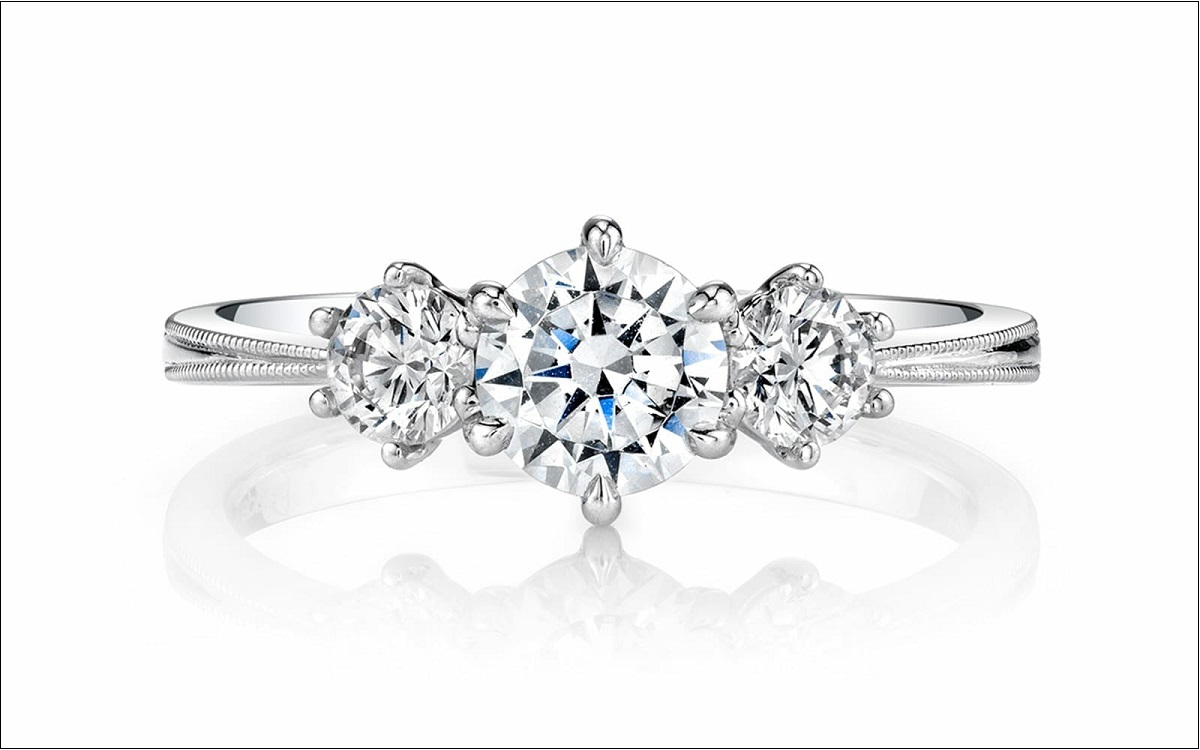
A solitaire setting keeps attention on the centre stone. Halo designs can create a larger overall visual impression. Three-stone rings add symbolism and presence, while bezel or lower-profile settings may appeal to someone who wants a more practical everyday design.
Before buying, also consider how the diamond’s proportions work with the setting. A beautiful loose diamond still needs to be properly matched to the ring design.
How to Buy Lab Grown Diamonds Online Without Guessing
Shopping online gives buyers access to a wide selection, but it also changes how you evaluate a diamond.
When you buy lab grown diamonds, look beyond the main product photograph.
- Check the Diamond’s Certification
A reputable diamond should have documentation from a recognised gemological laboratory. Certification can provide details about the stone’s carat weight, colour, clarity, measurements and other grading characteristics.
The report number should correspond to the diamond being offered.
- Study the Cut, Not Just the Carat
A larger diamond is not necessarily a better-looking diamond.
A well-proportioned stone can return light beautifully, while an overly deep or shallow diamond may appear less brilliant.
This is particularly important when comparing lab diamonds for sale online because product listings can make carat weight the most prominent specification.
- Look at Measurements
Carat weight tells you how much a diamond weighs, but measurements tell you more about its actual face-up size.
Two diamonds with identical carat weights can have different length-to-width ratios and therefore appear different on the finger.
- Compare Colour and Clarity Together
You do not necessarily need the highest clarity grade to get an attractive diamond.
Some inclusions are difficult to see without magnification, while others may be more noticeable depending on their position. Likewise, a slightly lower colour grade may still appear beautifully white once the diamond is mounted.
The goal is to find the point where the diamond’s appearance and your budget make sense together.
- Understand the Return and Warranty Policies
This is one of the most overlooked parts of buying jewellery online.
Before placing an order, check the retailer’s policies for returns, resizing, exchanges, warranties and after-sales service.
A diamond purchase is not only about the stone. You are also buying the experience and support that comes with it.
Are Lab Grown Diamonds a Good Choice for an Engagement Ring?
There is no universal answer because an engagement ring carries both financial and emotional considerations.
For some couples, the ability to choose a larger or higher-specification diamond within a set budget is important. Others place greater personal value on a naturally formed diamond.
The useful question is not simply, “Which type is better?”
Instead, ask:
What characteristics matter most to us in this ring?
If sparkle, design, carat size and budget flexibility are priorities, lab-grown diamonds may be worth exploring. If the geological history and natural origin of the stone are central to the purchase, a natural diamond may better match those preferences.
Either way, the ring should reflect the person wearing it rather than a generic definition of what an engagement ring is supposed to be.
What to Look for When Comparing Lab Diamonds for Sale
When browsing different lab diamonds for sale, create a simple comparison checklist.
Record:
- Diamond shape
- Carat weight
- Cut grade
- Colour grade
- Clarity grade
- Certification
- Measurements
- Setting style
- Metal type
- Ring size
- Return policy
- Warranty or after-sales support
- Total price
This makes it easier to compare like-for-like options instead of being influenced by a single specification.
For example, a 1.50-carat diamond may initially look more attractive than a 1.20-carat option. But if the smaller stone has significantly better cut proportions and looks brighter in person, the difference in carat weight may matter less than expected.
That is where informed shopping makes a difference.
Why Buying From a Specialist Jeweller Matters
Whether you shop in person or search for lab grown diamonds online, the retailer matters.
A specialist jeweller should be able to explain the diamond’s grading information, provide appropriate documentation and help you understand how the stone will work within your chosen ring design.
For an engagement ring, that guidance can be especially valuable because you are not purchasing a loose stone in isolation. You are creating a piece of jewellery that needs to be comfortable, durable and visually balanced.
A good buying experience should leave you understanding what you purchased and why it suited your needs.
Final Thoughts
Lab grown diamonds have changed the way people can approach diamond shopping. They give buyers another option to consider when balancing appearance, specifications, design preferences and budget.
The smartest approach is not to chase the highest carat weight or the lowest advertised price. Instead, compare the complete picture: cut quality, colour, clarity, measurements, certification, setting and retailer support.
If you are searching for lab grown diamonds online, take your time, compare diamonds using the same criteria and choose a stone that looks beautiful to you.
After all, an engagement ring is not memorable because a specification sheet says it is impressive. It becomes meaningful because of the person, moment and story behind it.
Frequently Asked Questions
Are lab grown diamonds real diamonds?
Yes. Lab-grown diamonds have the same fundamental carbon crystal structure as natural diamonds. Their key difference is their origin: they are produced using controlled technological processes rather than forming naturally underground.
Are lab grown diamonds suitable for engagement rings?
Yes. Lab-grown diamonds can be used in the same types of engagement ring settings as other diamonds. Shape, cut, proportions and setting design should be considered when selecting a stone.
How can I buy lab grown diamonds online safely?
Look for clear diamond specifications, recognised certification, detailed product information and transparent policies covering returns, resizing, warranties and after-sales support. These details can make online shopping considerably more straightforward.
Are bigger lab grown diamonds always better?
No. Carat weight is only one part of diamond quality. Cut, proportions, colour, clarity and measurements can all influence how attractive and bright a diamond appears.
What should I check before buying lab diamonds for sale?
Check the 4Cs, certification, measurements, diamond shape, setting compatibility, retailer policies and total cost. Comparing these details together gives you a more accurate picture than looking at price or carat weight alone.